The legalization of recreational marijuana in New York has raised an important public safety question: How do police identify drivers who are impaired by cannabis?
Unlike alcohol, marijuana presents unique challenges for law enforcement. There is no widely accepted roadside breath test that can accurately measure current impairment, and THC—the psychoactive component of cannabis—can remain in a person’s body long after the intoxicating effects have worn off. As a result, New York has developed a comprehensive strategy that relies on officer training, standardized testing, public education, and targeted enforcement rather than a simple numerical threshold.
Driving While Impaired by Marijuana Remains Illegal
Many people mistakenly believe that because recreational cannabis is legal, driving after using it is also legal. That is not the case.
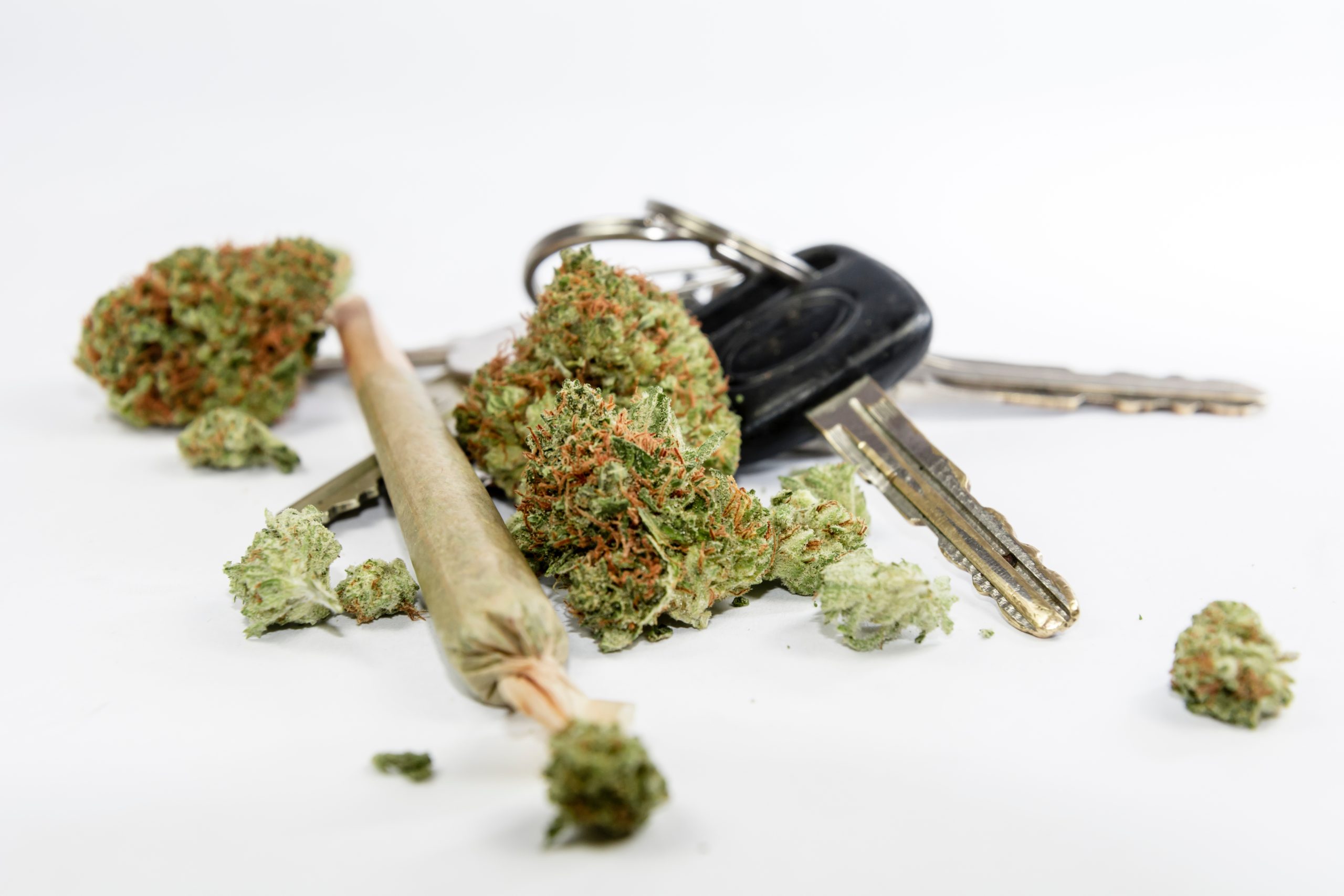
New York’s Marijuana Regulation and Taxation Act legalized adult recreational cannabis in 2021, but it did not legalize impaired driving. Operating a motor vehicle while impaired by marijuana remains a criminal offense under New York’s Vehicle and Traffic Law. Additionally, it is illegal for anyone in a vehicle to smoke cannabis or possess an open container of cannabis in the same way open containers of alcohol are prohibited.
There Is No Legal THC Limit in New York
Unlike alcohol, where a blood alcohol concentration of 0.08% generally creates a presumption of intoxication, New York has not adopted a legal THC limit for drivers.
There are several reasons for this.
THC affects individuals differently depending on factors such as body chemistry, frequency of use, dosage, and method of consumption. More importantly, THC can remain detectable in blood or other bodily fluids long after any impairment has disappeared. Because of these scientific limitations, New York prosecutors generally focus on proving actual impairment rather than simply proving the presence of THC.
Drug Recognition Experts
One of New York’s primary tools for detecting marijuana-impaired drivers is the Drug Recognition Expert (DRE) program.
Drug Recognition Experts are police officers who receive extensive specialized training approved by the National Highway Traffic Safety Administration (NHTSA) and the International Association of Chiefs of Police. These officers learn to recognize physical and behavioral indicators associated with seven categories of drugs, including cannabis.
A DRE evaluation is significantly more detailed than a standard traffic stop. Officers may examine factors including:
- Eye movements and pupil size
- Blood pressure and pulse
- Balance and coordination
- Divided-attention performance
- Muscle tone
- Statements made by the driver
- Overall behavior and appearance
The purpose is to determine whether the driver’s ability to safely operate a vehicle has been impaired by drugs rather than simply determining whether drugs are present in the person’s system.
Advanced Roadside Training
Not every police officer is a Drug Recognition Expert. To bridge that gap, New York has invested heavily in Advanced Roadside Impaired Driving Enforcement (ARIDE) training.
ARIDE provides patrol officers with additional education beyond traditional field sobriety testing. Officers learn to recognize common indicators of impairment caused by cannabis, prescription medications, and other drugs so they can identify potentially impaired drivers and determine whether a DRE should become involved.
This expanded training has become increasingly important as marijuana legalization has resulted in more encounters involving cannabis-related driving investigations.
Field Sobriety Tests Still Matter
Standardized Field Sobriety Tests remain an important part of marijuana DWI investigations.
Officers commonly observe whether drivers can follow instructions, maintain balance, divide their attention between multiple tasks, and demonstrate normal coordination. Combined with observations such as bloodshot eyes, slowed reactions, the odor of cannabis, or admissions of recent marijuana use, these tests may provide evidence of impairment.
Unlike alcohol investigations, however, these observations generally carry greater importance because there is no equivalent of an alcohol breath test that conclusively establishes marijuana impairment.
Public Education and High-Visibility Enforcement
Detection is only part of New York’s strategy.
The Governor’s Traffic Safety Committee regularly conducts statewide education campaigns reminding drivers that “Don’t Drive High” is more than a slogan—it’s the law. Public awareness campaigns emphasize that legal cannabis does not mean it is safe or lawful to drive after using it.
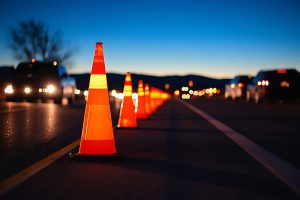
The state also funds high-visibility enforcement campaigns during periods when cannabis use may increase, including around April 20 (“4/20”). During these initiatives, state and local law enforcement agencies increase patrols and actively look for impaired drivers. Recent statewide campaigns have resulted in thousands of traffic tickets and more than 1,300 impaired-driving enforcement actions.
The Future of Marijuana Impairment Detection
Researchers continue searching for a reliable roadside test capable of measuring current marijuana impairment. While saliva testing, blood testing, and other technologies can detect recent cannabis use, scientists generally agree that these tests do not consistently correlate with actual impairment in the same way alcohol breath testing does.
Until science develops a more accurate method, New York will likely continue relying on trained officers, Drug Recognition Experts, standardized field sobriety testing, and careful documentation of observable impairment.
Final Thoughts
As marijuana becomes increasingly accepted and widely available, New York has adapted its impaired-driving enforcement strategies accordingly. Rather than relying on a single chemical test, the state uses specialized officer training, behavioral observations, and public education to identify drivers whose ability to operate a vehicle has actually been impaired.
For drivers, the safest rule remains simple: if cannabis has affected your judgment, reaction time, or coordination, don’t get behind the wheel. Legal marijuana does not provide immunity from prosecution, and a conviction for driving while impaired by drugs can carry serious criminal, financial, and licensing consequences.