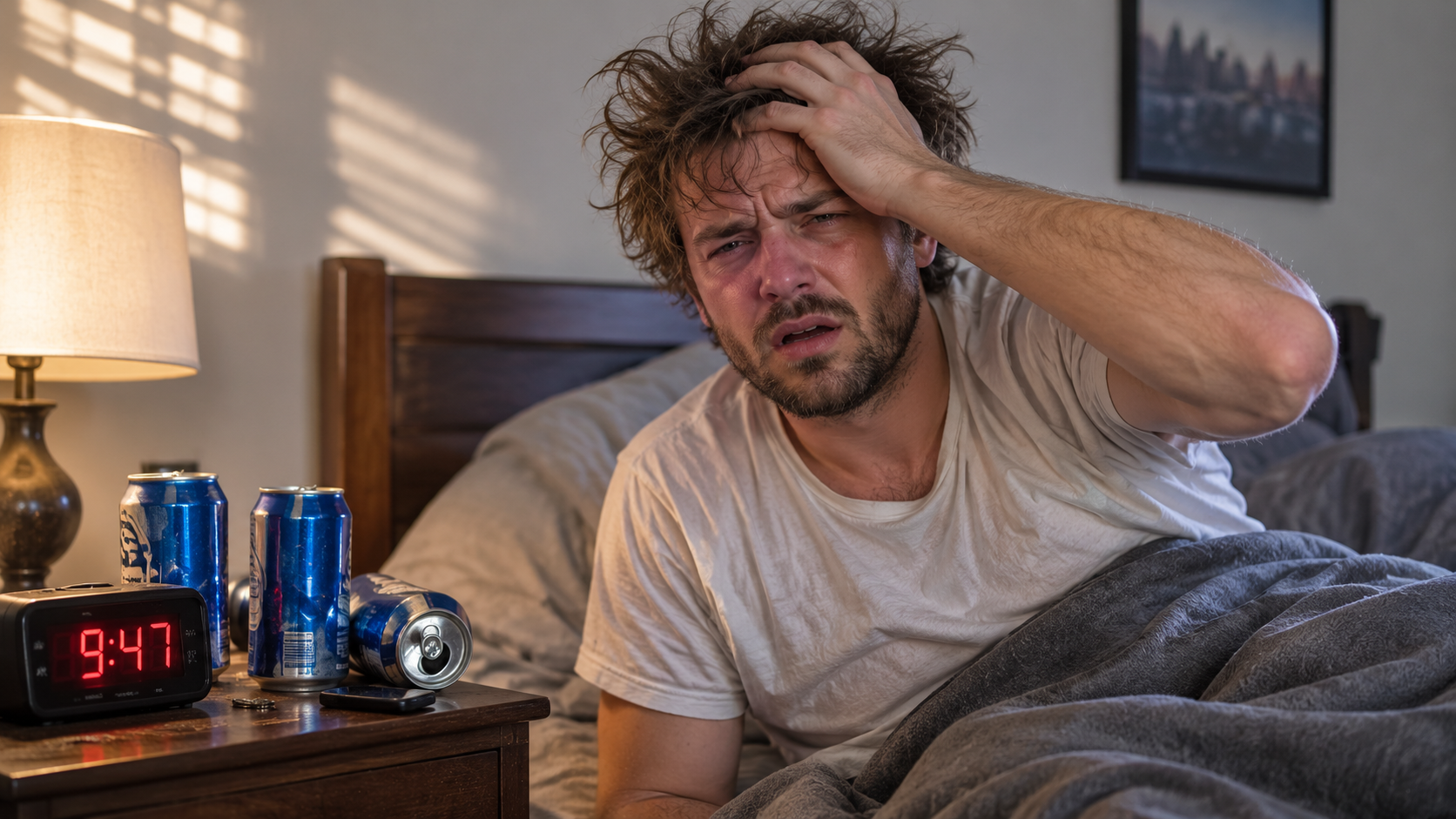
You went out the night before, had a few drinks, got home safely, and went to bed. The next morning, you wake up feeling fine and assume you’re okay to drive. But are you?
Many people believe that sleeping overnight is enough to eliminate alcohol from their system. Unfortunately, that isn’t always the case. In fact, a driver can still be arrested and charged with Driving While Intoxicated (DWI) in New York the morning after drinking.
Understanding how alcohol affects your body, how New York DWI laws work, and what can happen during a morning-after traffic stop is important for every driver.
Sleeping Doesn’t Necessarily Make You Sober
One of the biggest misconceptions about alcohol consumption is that getting a good night’s sleep will automatically make you sober.
Your body eliminates alcohol over time, primarily through metabolism in the liver. However, the rate at which this happens varies from person to person.
Several factors influence how long alcohol remains in your system, including:
How much alcohol you consumed.
How quickly you consumed it.
Your body weight and individual metabolism.
Whether you ate before or while drinking.
The amount of time that has passed since your last drink.
Coffee, a cold shower, exercise, and sleep do not accelerate the elimination of alcohol from your bloodstream.
Someone who consumes several drinks late into the evening may still have a significant amount of alcohol in their system the following morning.
Can You Be Arrested for DWI the Morning After Drinking?
Absolutely.
New York Vehicle and Traffic Law §1192 establishes several alcohol-related driving offenses.
Under §1192(2), a person can be charged with per se DWI if their blood alcohol concentration (BAC) is .08% or higher.
However, there’s another important provision that many drivers overlook.
Under §1192(1), a person can be charged with Driving While Ability Impaired (DWAI) if alcohol has impaired their ability to operate a motor vehicle, even if their BAC is below .08%.
Additionally, under §1192(3), a driver can be charged with common-law DWI if they are operating a vehicle while in an intoxicated condition.
This means that being below the .08% legal threshold does not automatically protect someone from an alcohol-related driving charge.
What If You Feel Completely Normal?
This is where things can become particularly complicated.
A driver may wake up feeling rested, alert, and perfectly capable of driving. Unfortunately, how you feel isn’t necessarily an accurate reflection of your blood alcohol concentration or driving ability.
Alcohol can affect reaction time, coordination, judgment, and decision-making even when someone doesn’t recognize those effects.
Police officers investigating a suspected DWI may look at several factors, including driving behavior, physical appearance, speech, balance, and performance on field sobriety tests.
A person who believes they are completely sober may find themselves facing a DWI investigation based on an officer’s observations.
Can Police Prove You Were Intoxicated While Driving?
This is an important legal issue in morning-after DWI cases.
Suppose someone is stopped at 9:00 a.m. after drinking heavily the previous evening. A chemical test administered after the stop shows a BAC of .09%.
The question becomes whether the prosecution can establish that the driver was legally intoxicated at the time they were operating the vehicle.
The timing of the drinking, the time of the traffic stop, the timing of the chemical test, and the scientific evidence concerning alcohol absorption and elimination can all become important.
In certain cases, expert testimony and an examination of the available evidence may be necessary to determine what a person’s BAC was while driving.
A chemical test result obtained after driving does not automatically answer every question about a driver’s condition at the earlier time of operation.
What Happens If You’re Arrested for a Morning-After DWI?
A morning-after DWI arrest can have the same serious consequences as any other DWI arrest.
Depending on the charge and circumstances, potential consequences include:
Criminal prosecution.
Suspension or revocation of your driver’s license.
Significant fines and surcharges.
Possible jail time.
Increased automobile insurance costs.
Mandatory ignition interlock requirements following certain convictions.
Even a first-time DWI can have a substantial impact on your personal and professional life.
There may also be separate administrative proceedings involving your driver’s license.
What Should You Do If You’re Charged?
If you’re arrested for DWI the morning after drinking, don’t assume that the case is automatically unwinnable simply because a breathalyzer registered .08% or higher.
Every DWI case has its own facts and circumstances.
An experienced DWI defense attorney can examine the traffic stop, the officer’s observations, the field sobriety testing, the chemical testing procedures, and the timing of alcohol consumption.
In morning-after cases, the relationship between the time of drinking, the time of driving, and the time of chemical testing can be particularly important.
There may be legitimate legal and scientific issues that deserve closer examination.
The Bottom Line
The phrase “I slept it off” is not a legal defense to a DWI charge. Alcohol doesn’t disappear from your system simply because you’ve gone to bed and awakened the next morning.
If you have been arrested for a morning-after DWI in New York, don’t assume that the evidence against you is conclusive.
A DWI charge is serious, but an arrest is not a conviction. Understanding your legal options and having your case properly evaluated can make an important difference in protecting your driving privileges and your future.
If you or someone you know is facing a DWI charge, contact an experienced New York DWI defense attorney to discuss the circumstances of the arrest and the available defenses.